
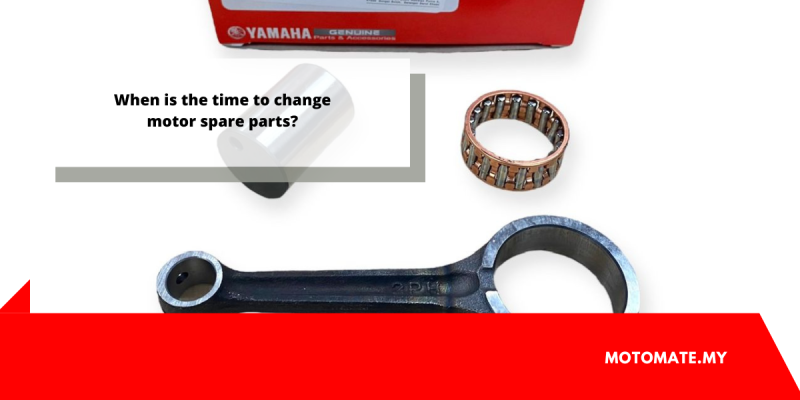
The duration for replacing motor spare parts is influenced by a variety of factors, encompassing the specific type of part, the guidelines provided by the manufacturer, the usage patterns of the vehicle, and its overall state. Presented below are some overarching principles to take into account:
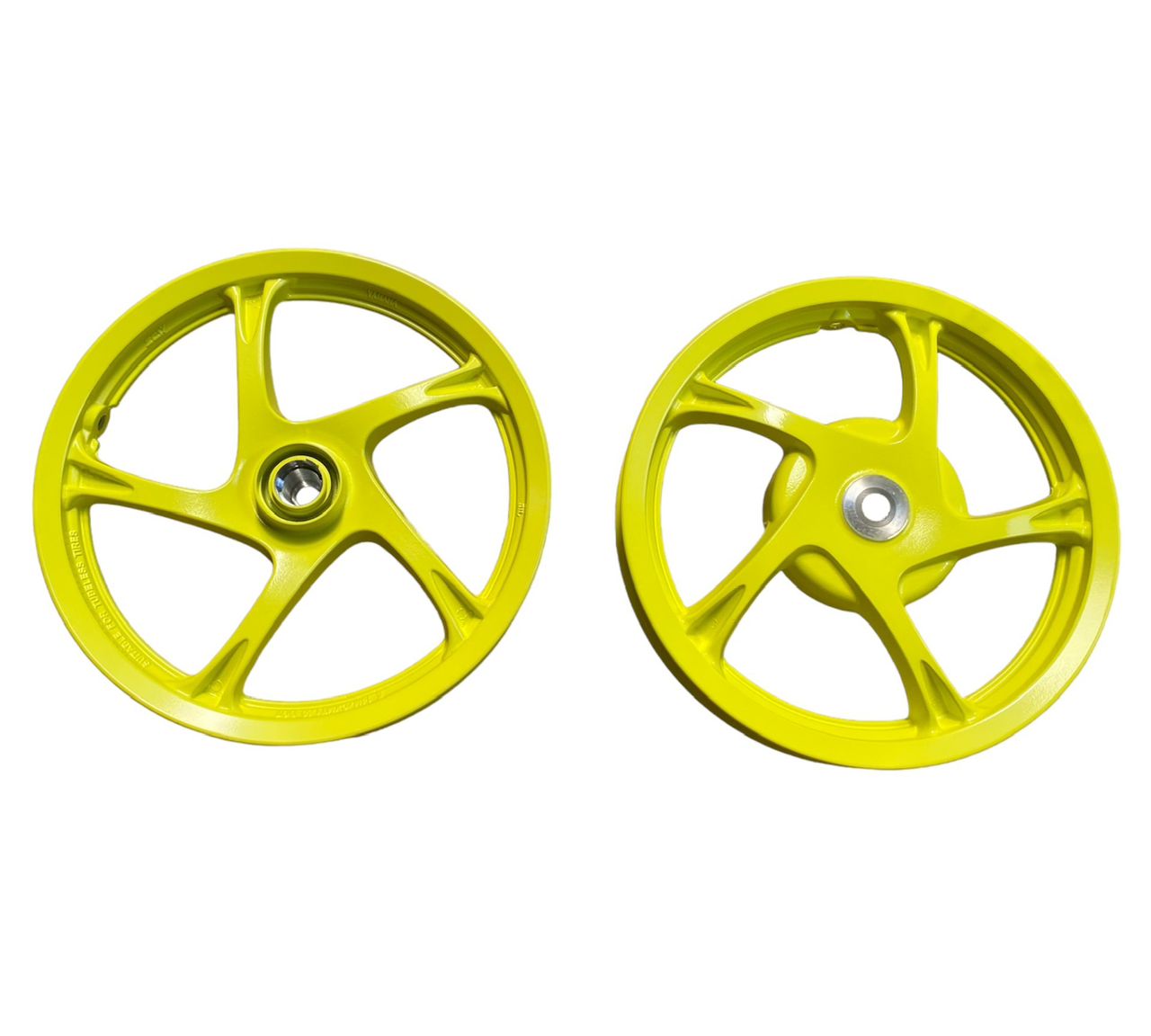
- Manufacturer’s Recommendations: The manufacturer of your vehicle usually provides guidelines for when certain parts should be replaced. This information is typically found in the owner’s manual. Following these recommendations is a good starting point.
- Regular Maintenance Schedule: Vehicles have recommended maintenance schedules that include routine inspections and replacements of certain parts. This can include items like oil changes, air filter replacements, and more. Adhering to these schedules helps ensure optimal performance and longevity.
- Mileage: Many parts have a lifespan measured in miles or kilometers. Common recommendations include changing the timing belt, serpentine belt, and certain fluids after a certain mileage has been reached. These guidelines can vary from one vehicle to another.
- Visual Inspection: Regularly inspecting key parts for signs of wear and tear is important. Inspect for fractures, leaks, corrosion, and any other observable indicators of harm. Should you identify any concerns, it could indicate the necessity to replace the component.
- Performance Issues: If you notice a decrease in performance, unusual noises, vibrations, or changes in fuel efficiency, it could be a sign that certain parts need replacement. For example, spark plugs, oxygen sensors, and fuel filters can impact performance.
- Fluid Levels and Quality: Regularly check fluid levels (e.g., oil, coolant, transmission fluid) and their quality. If fluids are low or appear dirty, it’s important to address the issue promptly to prevent potential damage.
- Environmental Factors: Tough situations like bad weather or using things a lot can make some parts wear out faster. If you use your vehicle in these situations, you might have to change some parts more often.
- Age of the Vehicle: Older vehicles may require more frequent replacement of certain parts due to natural wear and degradation over time.
- Safety: Certain parts are critical for safety, such as brakes and tires. If you notice any decrease in braking performance or tire tread depth, it’s essential to address these issues promptly.
- Professional Inspection: Having a skilled mechanic regularly check your stuff can help find parts that are almost worn out or getting worse.
To sum up, there’s no single answer for when to replace car parts. Think about the things they talked about earlier and follow what the maker of your vehicle says. Doing check-ups often and looking ahead can help your vehicle stay in good shape and not stop working unexpectedly.
For more information about yamaha spare parts online store, please visit https://motomate.my/
